Waco's Quiet History in Stone and Oak Remains Visible Today
Published on July 28, 2026•423 views
Waco. You hear the name and picture Chip and Joanna's latest renovation, the throngs at Magnolia Market, a town polished to a bright, modern sheen. But if you peel back that glossy surface, you find a Waco that’s a lot older, a lot rougher, and frankly, a good deal more interesting. This place wasn't always about artisanal coffee and perfectly styled farmhouse tables. It was a wild crossroads, a dusty frontier town where the Wild West met the Gilded Age ambition. Beneath all the new development, there's a deep history here, a story told by Indigenous encampments, land grants from the Republic of Texas, rowdy saloons, and the colossal boom of cotton. For anyone willing to slow down, the past isn't just in books. It's literally etched into the city's bricks, its limestone foundations, and the gnarled limbs of its old oak trees.
The Roebling Connection
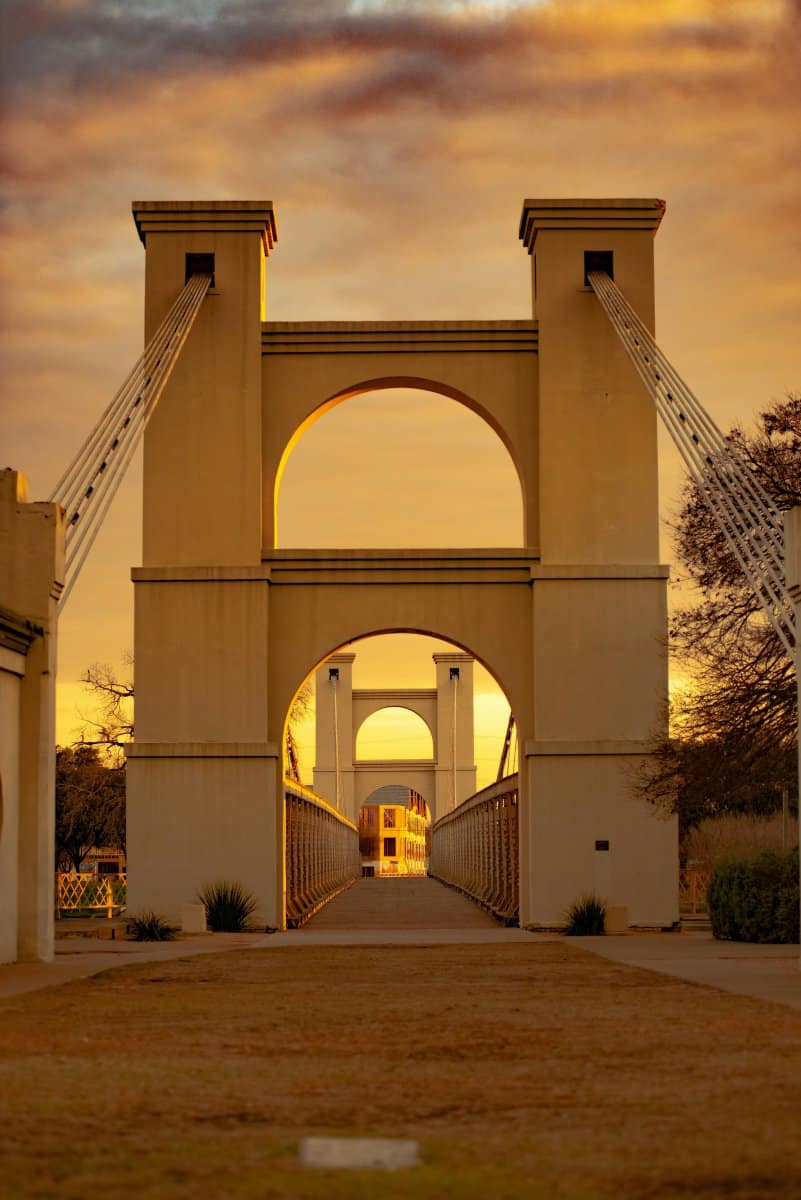
The Waco suspension bridge in the heart of Texas illuminated by the golden sun. Photo by David Holifield - Unsplash.
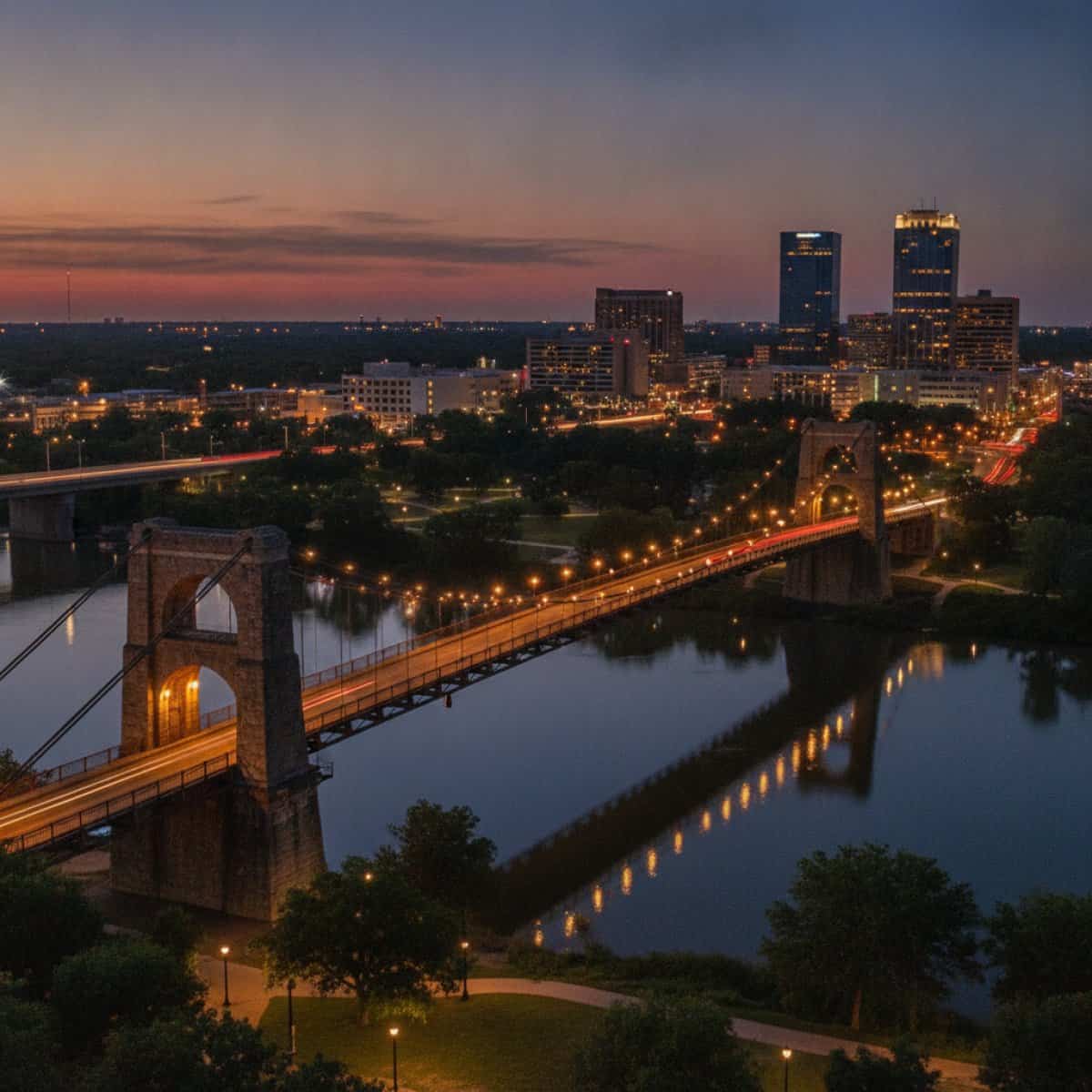
The Waco Suspension Bridge, finished in 1870, is more than just a pretty sight. It’s a solid link to some serious engineering smarts of the day. Those massive steel cables? They came from the same company that later built the Brooklyn Bridge. Those imposing brick towers and their anchorages were the vital crossing that funnelled the endless herds of longhorn cattle along the Chisholm Trail. Suddenly, Waco wasn't just a town; it was a major player.
The Witness Tree
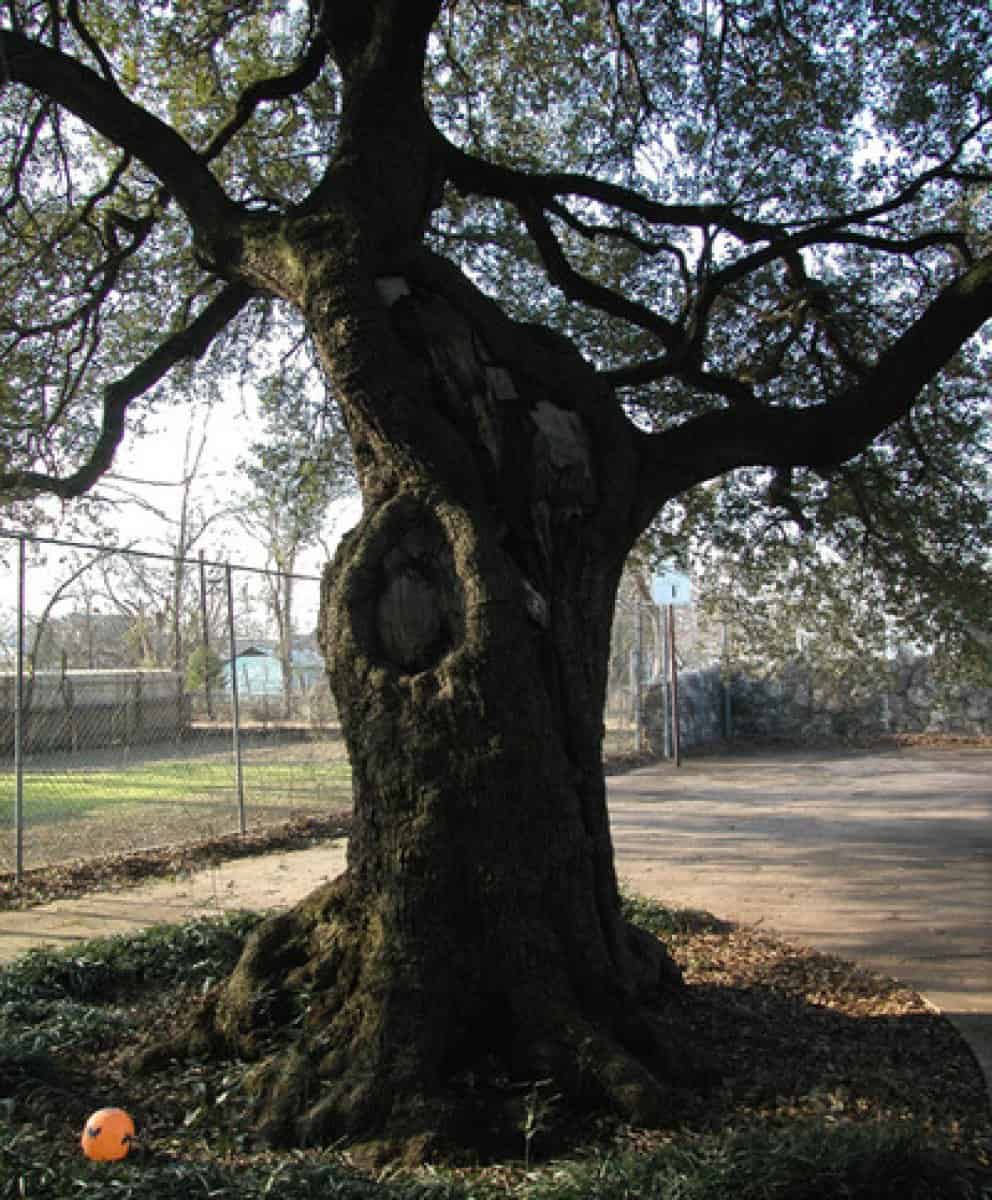
The ancient Ross Oak tree.
Long before any city planners arrived, the Ross Oak was just standing there, a silent sentinel. This ancient live oak was here before Waco was even a concept. It offered shade and a meeting spot for early settlers from the Republic of Texas and Native American traders. Its branches, weathered by centuries, have seen it all: hushed conversations, treaty signings, the very beginnings of this place.
Cottonland Castle
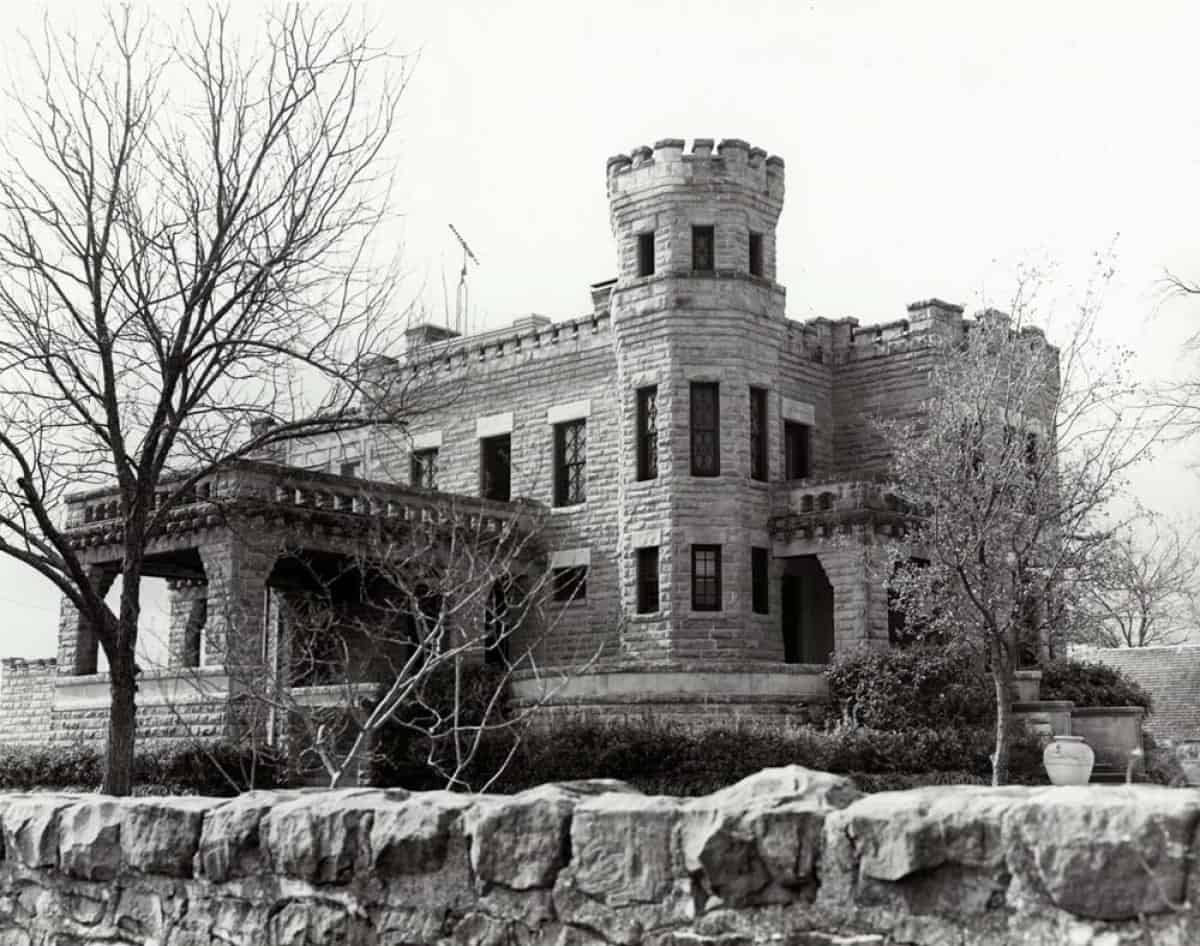
Cottonland Castle's sandstone entrance.
Right in the middle of the Castle Heights neighbourhood sits Cottonland Castle. It’s a monument to the sheer opulence and perhaps a touch of eccentricity of Waco's early 20th-century bigwigs. Built between 1908 and 1914 from local sandstone and granite, this stone fortress is a direct result of the immense wealth generated when Waco was the undisputed "Cotton Capital of the South."
The Spring of Origin
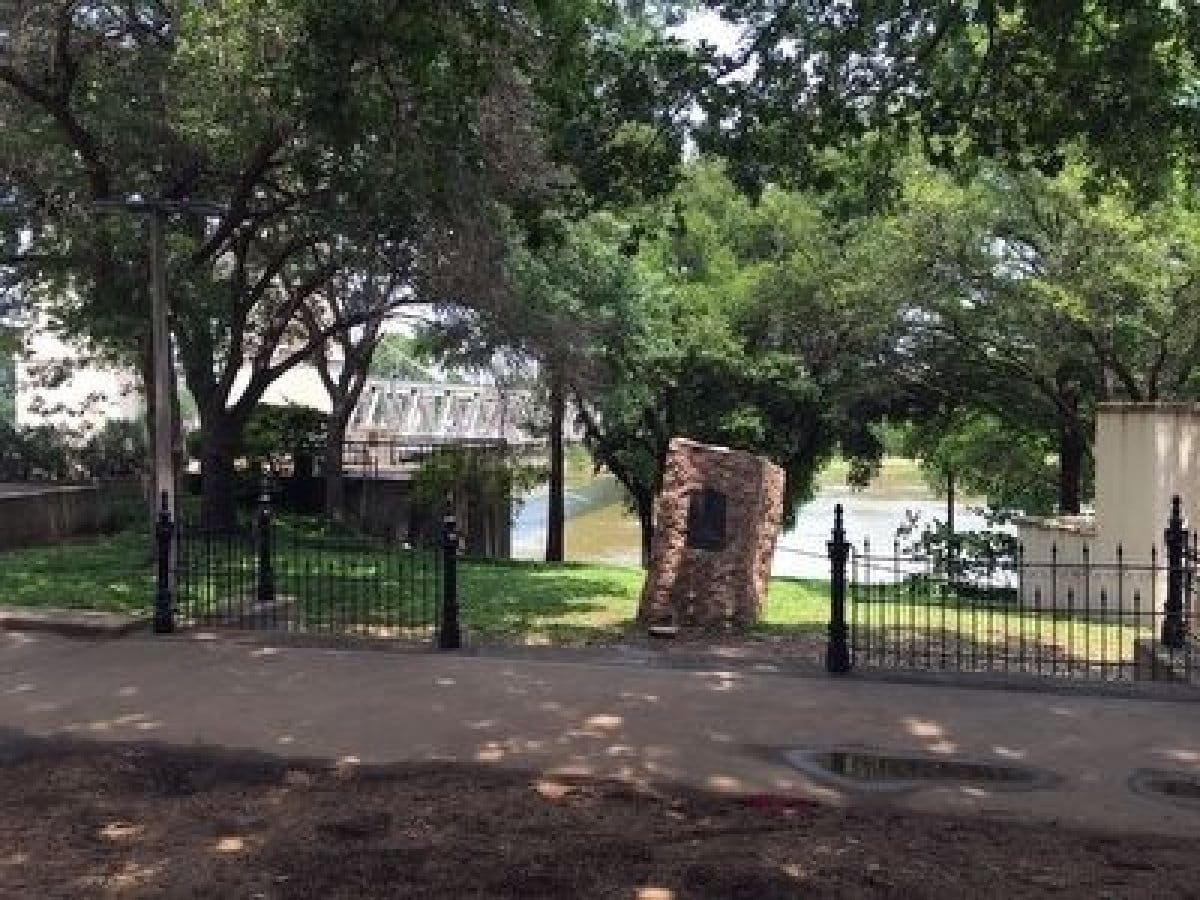
The natural spring marker at Indian Spring Park.
Down by the western bank of the Brazos River, in Indian Spring Park, is the reason Waco exists at all. This natural spring historical marker is exactly where the original Huaco (Waco) Native American village stood. It was this humble water source that sustained a thriving community long before any European settlers showed up.
Whispers on the Bricks
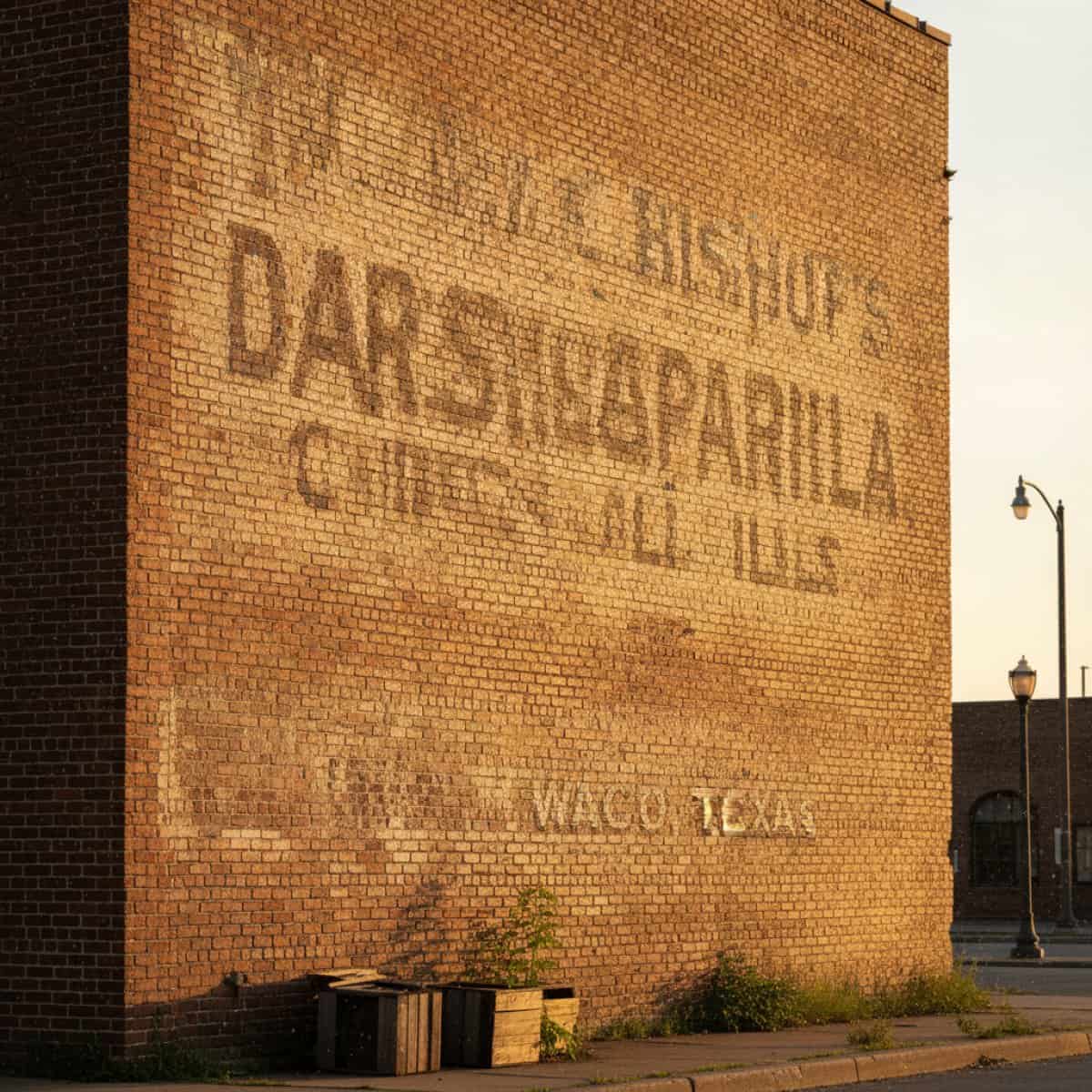
Faded ghost sign on a brick building.
Head over to the Warehouse District, especially around 8th and Jackson Streets. Take a good look at the old brick buildings. Faintly painted right onto the masonry are "ghost signs" , faded advertisements for cotton merchants and rail shipping companies from the 1800s. These aren't just bits of old paint; they're tangible proof of Waco's peak years as a national hub for cotton trading.
Echoes of the Interurban
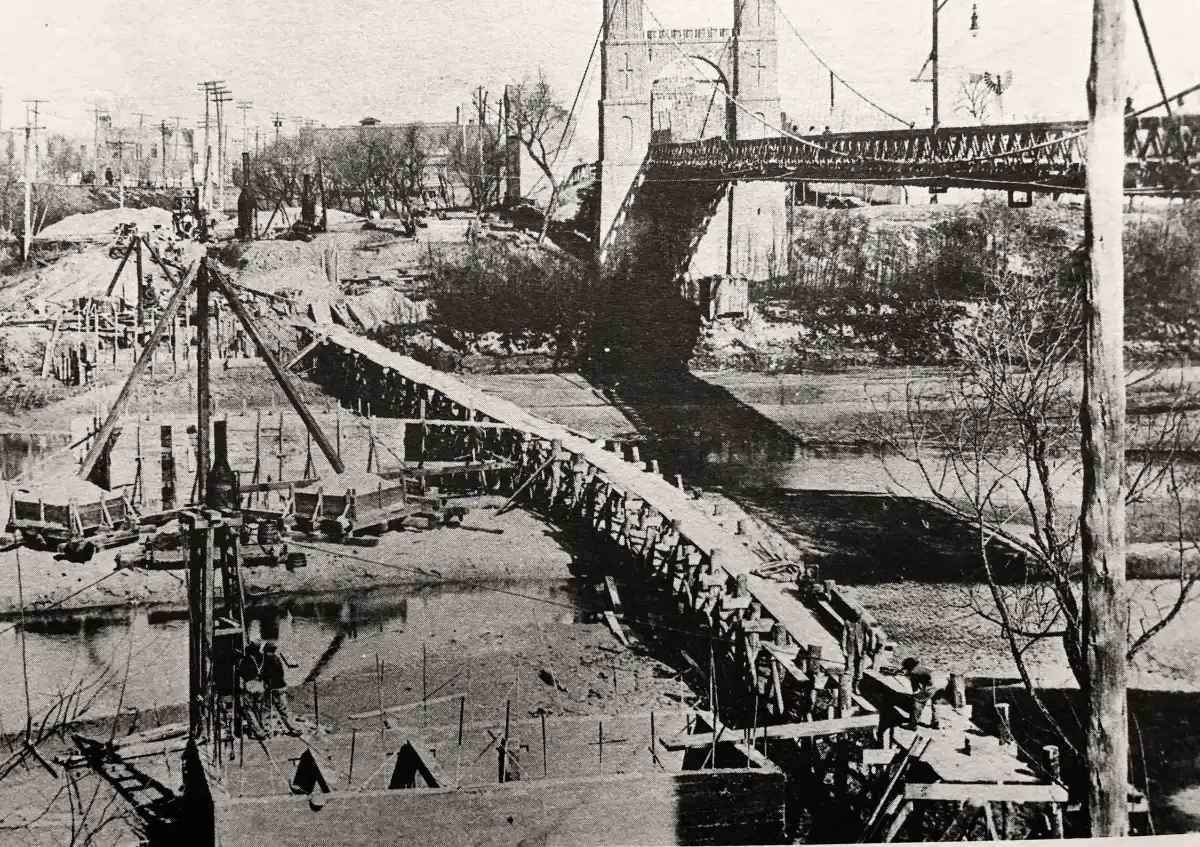
Construction of the Interurban Bridge in Waco, which was next to the Suspension Bridge, was completed in 1913.
Along the Bosque and Brazos rivers, you can still find the hefty concrete remnants of the Interurban Railway Bridge piers. These ruins are the physical echoes of a groundbreaking early 20th-century transit system. The electric trains once zipped between Waco and Dallas, and other Central Texas towns, knitting communities together in a new age of getting around.
The Cattle Drive's Gateway
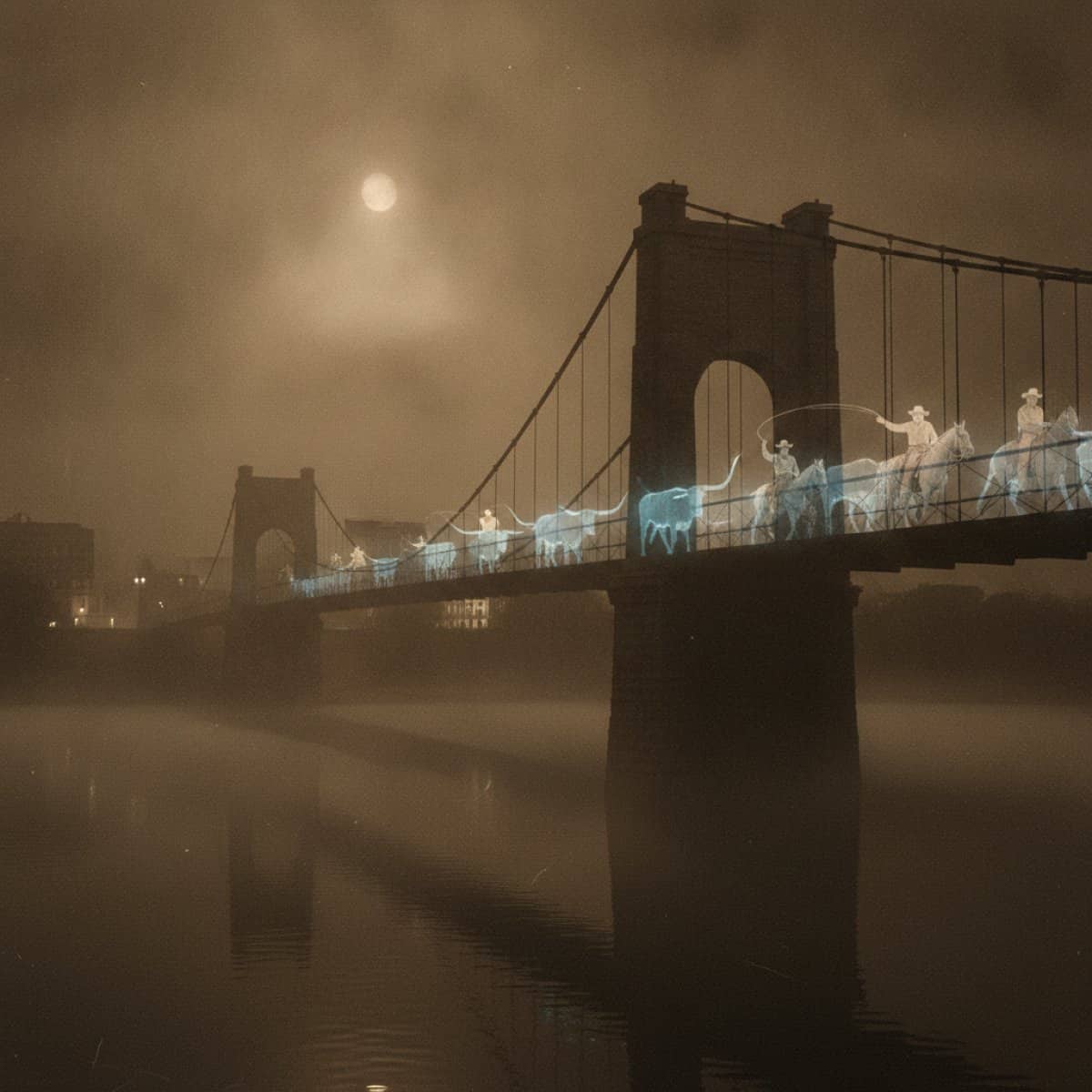
Ghostly cattle drive crossing the suspension bridge.
The Waco Suspension Bridge was more than just a way across the river. It was the linchpin that transformed a sleepy frontier settlement into a booming town. It was the first sturdy structure to span the often-treacherous Brazos, and it became the critical funnel for millions of longhorn cattle heading north. All that livestock and commerce fuelled Waco's rapid growth during the Reconstruction Era.
A Meeting Place of Nations
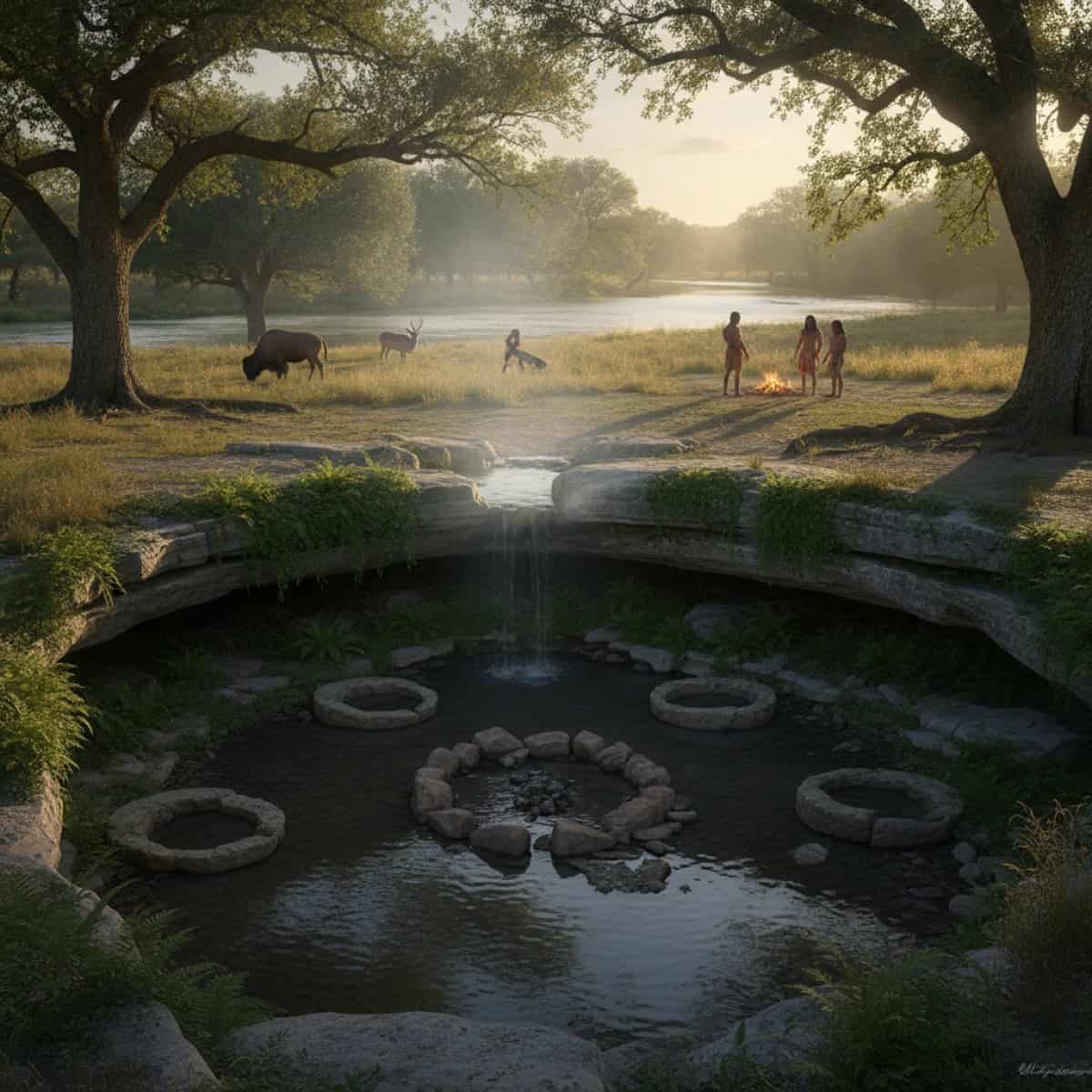
The natural setting of the Waco Spring.
The area around the Waco Spring and the Brazos River was more than just a water source. It was a historical crossroads for people. Long before the Republic of Texas, this lush spot was a gathering place for Native American tribes, including the Huaco people. Later, it became neutral ground where early settlers and indigenous traders met, swapped goods, and started to build tentative relationships.
The Cotton Barons' Legacy
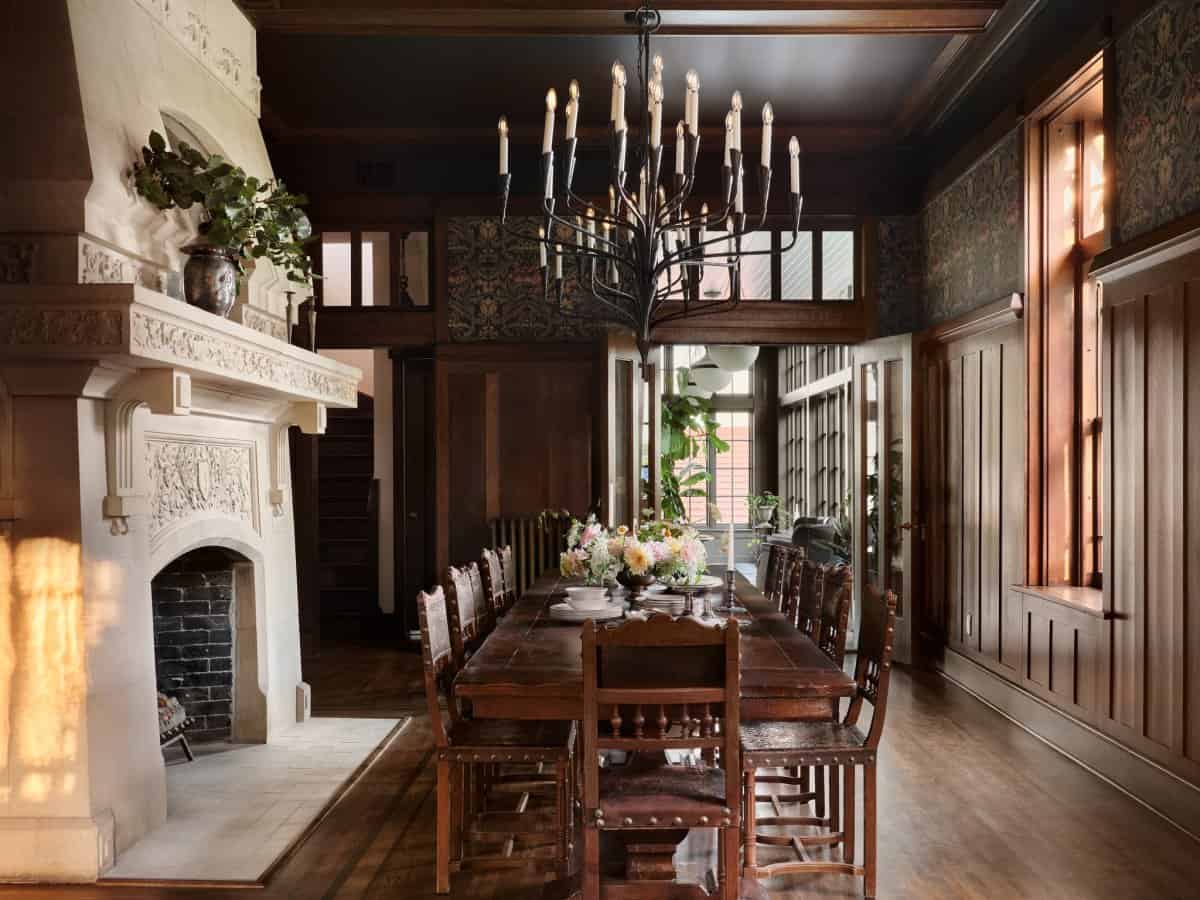
Interior of Cottonland Castle.
The sheer size and ambition of places like Cottonland Castle are direct results of the cotton boom. In the late 19th and early 20th centuries, Waco was a powerhouse in the cotton trade. Fortunes were made and lost, leading to an era of conspicuous spending and grand architecture. The landmarks left behind still speak volumes about that gilded age.
Woven into the Landscape
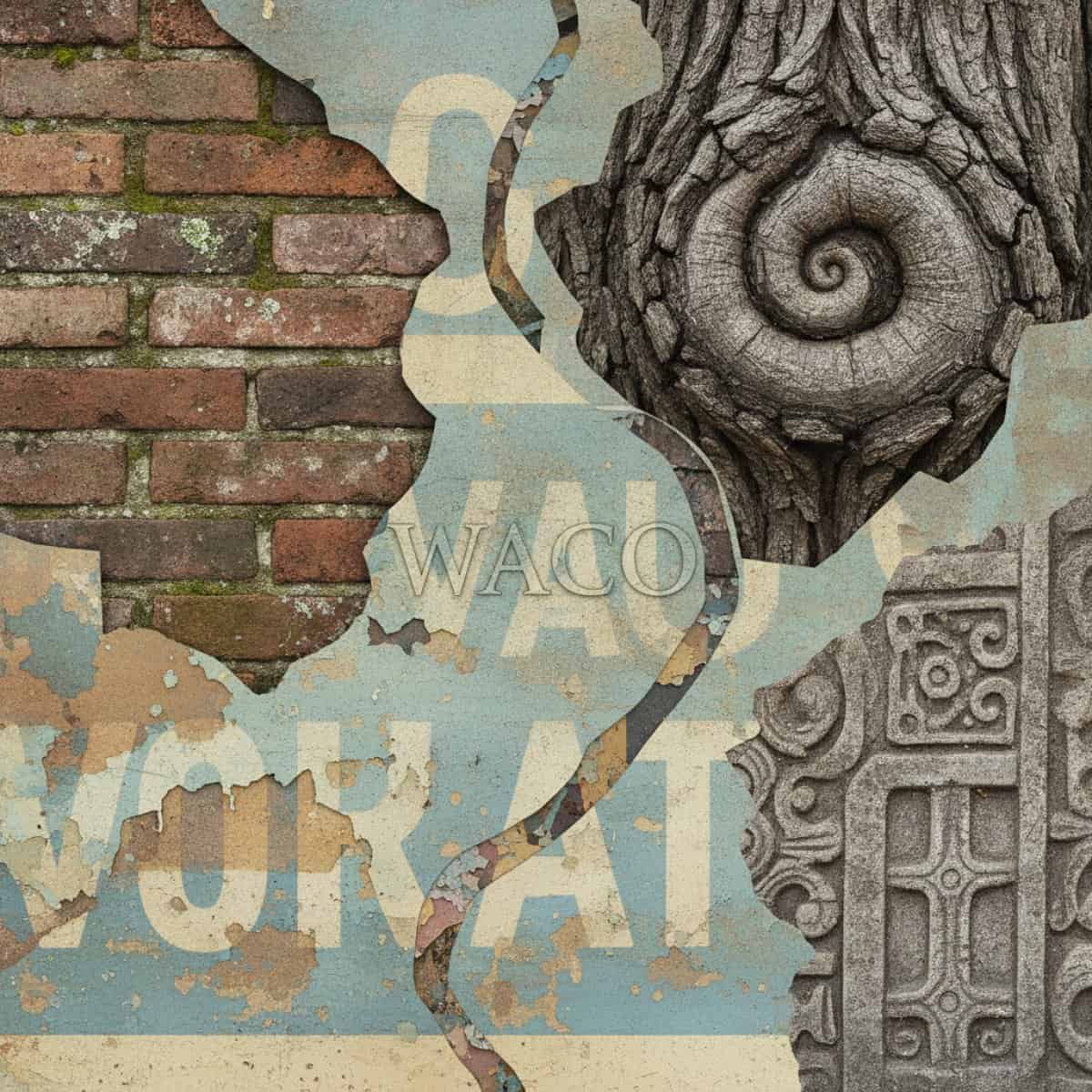
Textural collage of Waco's historic materials.
From the towering brick pylons of the Suspension Bridge to the deep grooves in the bark of the Ross Oak, from the faded ghost signs on old warehouses to the very stones of Cottonland Castle, Waco's history isn't tucked away in museums. It's physically woven into the city's fabric. These old echoes aren't something to be afraid of. They should be embraced. They are the whispers of a vibrant, complex past that continues to shape the soul of this enduring Texas city.
Sign In Required
This feature is reserved for our members. Please sign in to continue.
Welcome Back
Registration is currently closed.
Create Account
New registrations are currently closed. If you already have an account, please sign in.
Reset Password
Enter your email address and we'll send you a link to reset your password.
We use cookies to improve your experience and analyze site traffic. By clicking "Accept All", you consent to our use of cookies.
Read our Privacy Policy.