Basking in Bluebonnets: The Ultimate Texas Springtime Experience
Published on April 6, 2023
•
1197 views
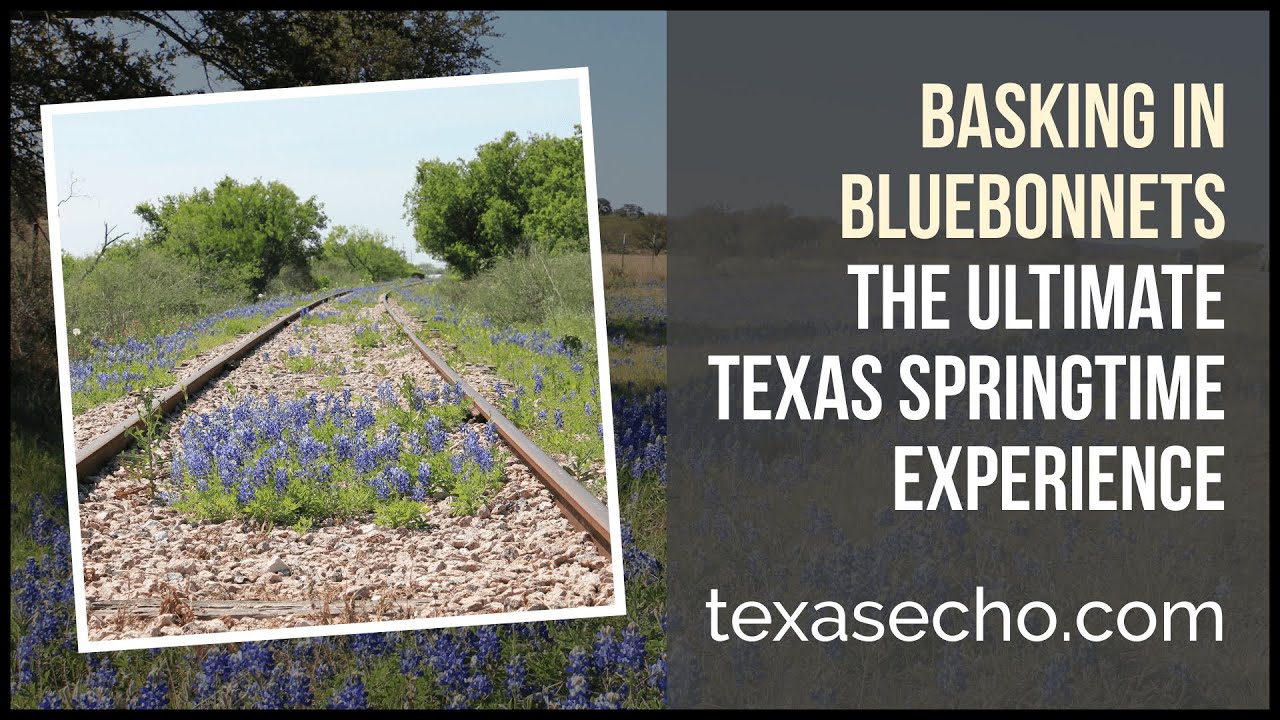
Texans have an affectionate bond with Bluebonnets, which serve as both the state flower and a beloved icon. Every spring, these beautiful blue flowers blanket the landscape, creating a stunning display of color that draws visitors from around the world. In this article, we'll explore the magic of bluebonnets in Texas, answering questions such as how they grow, where to find them, and why they are so popular. We'll also discuss the differences between bluebonnets and lupines, their symbolism, and offer tips for growing and observing them. Whether you're a native Texan or just passing through, join us as we delve into the world of bluebonnets in the Lone Star State.
Bluebonnets in Texas: Growing and Blooming
Bluebonnets have vibrant blue flowers that bloom in the springtime. They are a hardy plant that thrives in the sunny, well-drained soil of the Texas Hill Country. Bluebonnets are an annual plant, which means they grow from seed and die off in the same year.
The ideal time to plant bluebonnets in Texas is in the fall, as they require a period of cold weather to germinate. They prefer full sun and well-drained soil and can grow up to 2 feet tall.
Bluebonnets typically bloom from late March to early May, depending on the weather conditions. The peak of bluebonnet season in Texas is usually in mid-April, and this is the best time to see large fields of bluebonnets in bloom.
Lady Bird Johnson, the wife of former President Lyndon B. Johnson, was a champion of promoting the planting of wildflowers in Texas. She believed that the beauty of wildflowers, including bluebonnets, could help improve the aesthetic of the state's highways and byways. Her efforts led to the creation of the Lady Bird Johnson Wildflower Center, dedicated to the conservation and propagation of native Texas plants, including bluebonnets.
The ideal time to plant bluebonnets in Texas is in the fall, as they require a period of cold weather to germinate. They prefer full sun and well-drained soil and can grow up to 2 feet tall.
Bluebonnets typically bloom from late March to early May, depending on the weather conditions. The peak of bluebonnet season in Texas is usually in mid-April, and this is the best time to see large fields of bluebonnets in bloom.
Lady Bird Johnson, the wife of former President Lyndon B. Johnson, was a champion of promoting the planting of wildflowers in Texas. She believed that the beauty of wildflowers, including bluebonnets, could help improve the aesthetic of the state's highways and byways. Her efforts led to the creation of the Lady Bird Johnson Wildflower Center, dedicated to the conservation and propagation of native Texas plants, including bluebonnets.
Where to Find Bluebonnets in Texas
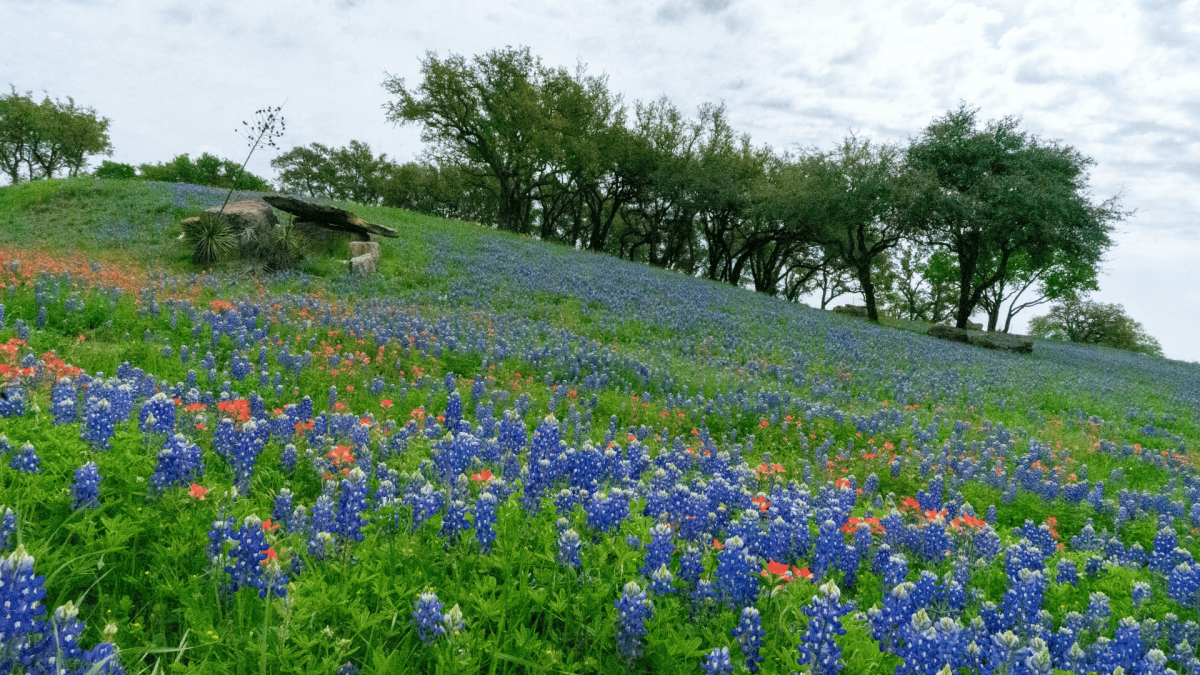
Bluebonnets grow throughout Texas, but they are regularly seen in the Hill Country region, which includes the Highland Lakes area, Marble Falls, and Willow City. Ennis, Texas, is also famous for its Bluebonnet Trails, which feature over 40 miles of driving routes through fields of bluebonnets.
One of the most popular drives for viewing bluebonnets is the Willow City Loop, a 13-mile stretch of road near Fredericksburg, which winds through some of the most scenic bluebonnet fields in Texas. Another popular spot for observing bluebonnets is the Muleshoe Bend Recreation Area, located near Austin, which offers hiking trails and scenic drives through fields of wildflowers.
The Johnson Wildflower Center, located in Austin, is another excellent place to learn about and see bluebonnets. The center, dedicated to the conservation and propagation of native Texas plants, including bluebonnets, and has a diverse collection of over 800 species of plants. The center also features a wildflower meadow and a trail that showcases the different ecosystems of Texas.
One of the most popular drives for viewing bluebonnets is the Willow City Loop, a 13-mile stretch of road near Fredericksburg, which winds through some of the most scenic bluebonnet fields in Texas. Another popular spot for observing bluebonnets is the Muleshoe Bend Recreation Area, located near Austin, which offers hiking trails and scenic drives through fields of wildflowers.
The Johnson Wildflower Center, located in Austin, is another excellent place to learn about and see bluebonnets. The center, dedicated to the conservation and propagation of native Texas plants, including bluebonnets, and has a diverse collection of over 800 species of plants. The center also features a wildflower meadow and a trail that showcases the different ecosystems of Texas.
Differences and Symbolism
Bluebonnets and lupines are both members of the legume family and share some similarities, but there are also differences between them. One of the main differences is that bluebonnets are native to Texas, while lupines are found in many parts of the world. Another difference is that bluebonnets have a more distinct shape, with tightly packed clusters of flowers on tall stems, while lupines have more loosely arranged flowers.
Bluebonnets are not poisonous, but they do contain a substance called alkaloids that can result in digestive issues if ingested in large quantities. Despite this, bluebonnets are not typically harmful to humans or animals and are safe to enjoy in moderation.
There are six different types of bluebonnets, including the Texas Bluebonnet (Lupinus texensis), the Sandyland Bluebonnet (Lupinus subcarnosus), and the Big Bend Bluebonnet (Lupinus havardii). The Texas Bluebonnet is the most commonly known and recognized type, with its deep blue color and white-tipped petals.
In Texas culture, bluebonnets hold a special place as a symbol of the state's beauty, resilience, and pride. Bluebonnets, associated with springtime and the renewal of life, with vibrant colors have inspired artists and poets alike. Lady Bird Johnson, former First Lady and Texas native, played a significant role in promoting the planting of wildflowers in Texas, including bluebonnets, as a way to beautify the state's highways and public spaces. Today, bluebonnets remain a beloved symbol of Texas and a testament to the state's natural beauty.
Bluebonnets are not poisonous, but they do contain a substance called alkaloids that can result in digestive issues if ingested in large quantities. Despite this, bluebonnets are not typically harmful to humans or animals and are safe to enjoy in moderation.
There are six different types of bluebonnets, including the Texas Bluebonnet (Lupinus texensis), the Sandyland Bluebonnet (Lupinus subcarnosus), and the Big Bend Bluebonnet (Lupinus havardii). The Texas Bluebonnet is the most commonly known and recognized type, with its deep blue color and white-tipped petals.
In Texas culture, bluebonnets hold a special place as a symbol of the state's beauty, resilience, and pride. Bluebonnets, associated with springtime and the renewal of life, with vibrant colors have inspired artists and poets alike. Lady Bird Johnson, former First Lady and Texas native, played a significant role in promoting the planting of wildflowers in Texas, including bluebonnets, as a way to beautify the state's highways and public spaces. Today, bluebonnets remain a beloved symbol of Texas and a testament to the state's natural beauty.
Tips for Growing and Observing Bluebonnets
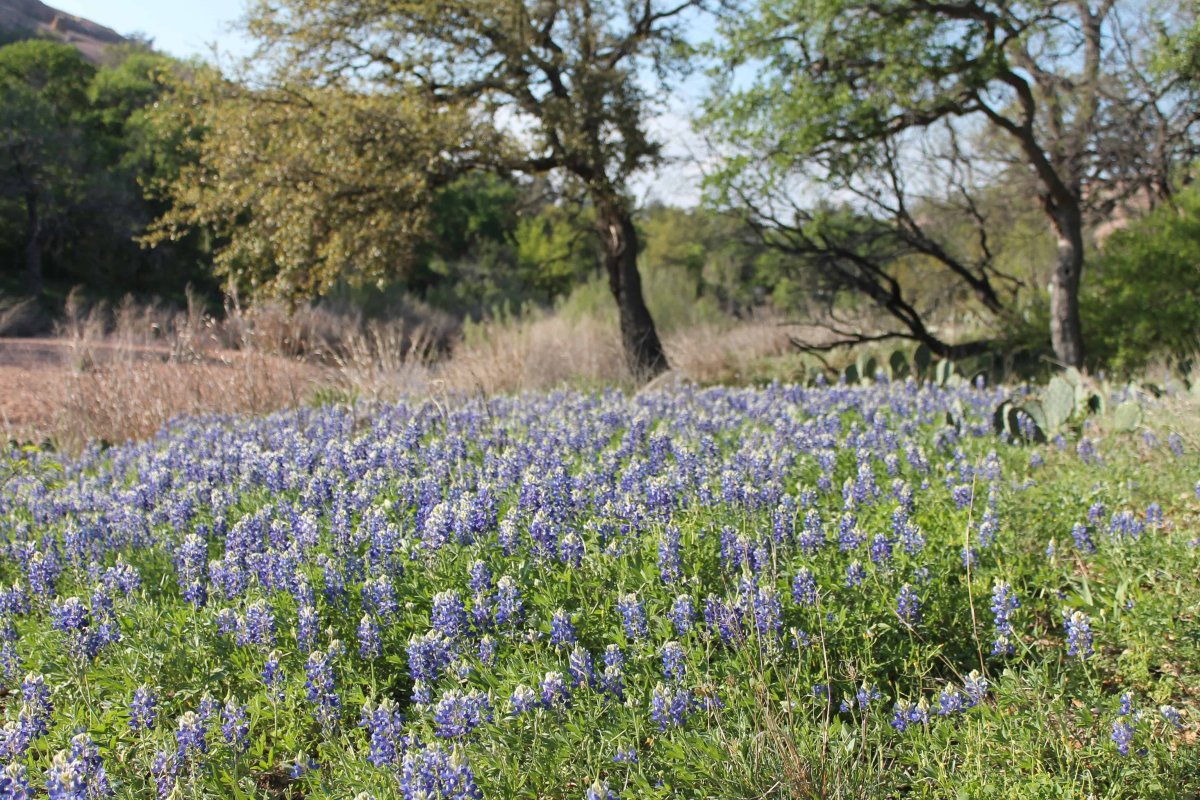
If you're a Texan or a visitor to the state, you might be interested in growing or observing bluebonnets. Here are some tips for both:
How can I grow bluebonnets in my yard?
Choose the right soil and location: Bluebonnets prefer well-drained soil and full sun exposure.
Plant seeds in the fall: Plant bluebonnet seeds in the fall so they can grow roots during the winter.
Don't overwater: Bluebonnets are drought-tolerant and do not need frequent watering. Water once a week.
Fertilize sparingly: Bluebonnets do not need fertilizer. Too much fertilizer can result in excessive foliage growth and fewer blooms.
What is the best time to see bluebonnets in Texas?
The bluebonnet season in Texas typically begins in March and lasts until early May. The best time to see bluebonnets is usually in mid-April when they are in full bloom.
Tips for observing and photographing bluebonnets
Respect private property: Many bluebonnet fields are on private property. Be respectful and do not trespass.
Wear appropriate attire: Bluebonnet fields are in rural areas with uneven terrain. Wear sturdy shoes and long pants to protect yourself from prickly plants and insects.
Find the best lighting and angles: Take a photo of bluebonnets in the early morning or late afternoon when the light is soft and warm. Experiment with different angles to find the best composition.
Be mindful of traffic: When photographing bluebonnets along roadsides, be cautious of traffic and do not block the roadway.
By following these tips, you can successfully grow bluebonnets in your yard or capture the beauty of Texas' state flower through observation and photography.
How can I grow bluebonnets in my yard?
Choose the right soil and location: Bluebonnets prefer well-drained soil and full sun exposure.
Plant seeds in the fall: Plant bluebonnet seeds in the fall so they can grow roots during the winter.
Don't overwater: Bluebonnets are drought-tolerant and do not need frequent watering. Water once a week.
Fertilize sparingly: Bluebonnets do not need fertilizer. Too much fertilizer can result in excessive foliage growth and fewer blooms.
What is the best time to see bluebonnets in Texas?
The bluebonnet season in Texas typically begins in March and lasts until early May. The best time to see bluebonnets is usually in mid-April when they are in full bloom.
Tips for observing and photographing bluebonnets
Respect private property: Many bluebonnet fields are on private property. Be respectful and do not trespass.
Wear appropriate attire: Bluebonnet fields are in rural areas with uneven terrain. Wear sturdy shoes and long pants to protect yourself from prickly plants and insects.
Find the best lighting and angles: Take a photo of bluebonnets in the early morning or late afternoon when the light is soft and warm. Experiment with different angles to find the best composition.
Be mindful of traffic: When photographing bluebonnets along roadsides, be cautious of traffic and do not block the roadway.
By following these tips, you can successfully grow bluebonnets in your yard or capture the beauty of Texas' state flower through observation and photography.
State Flower of Texas
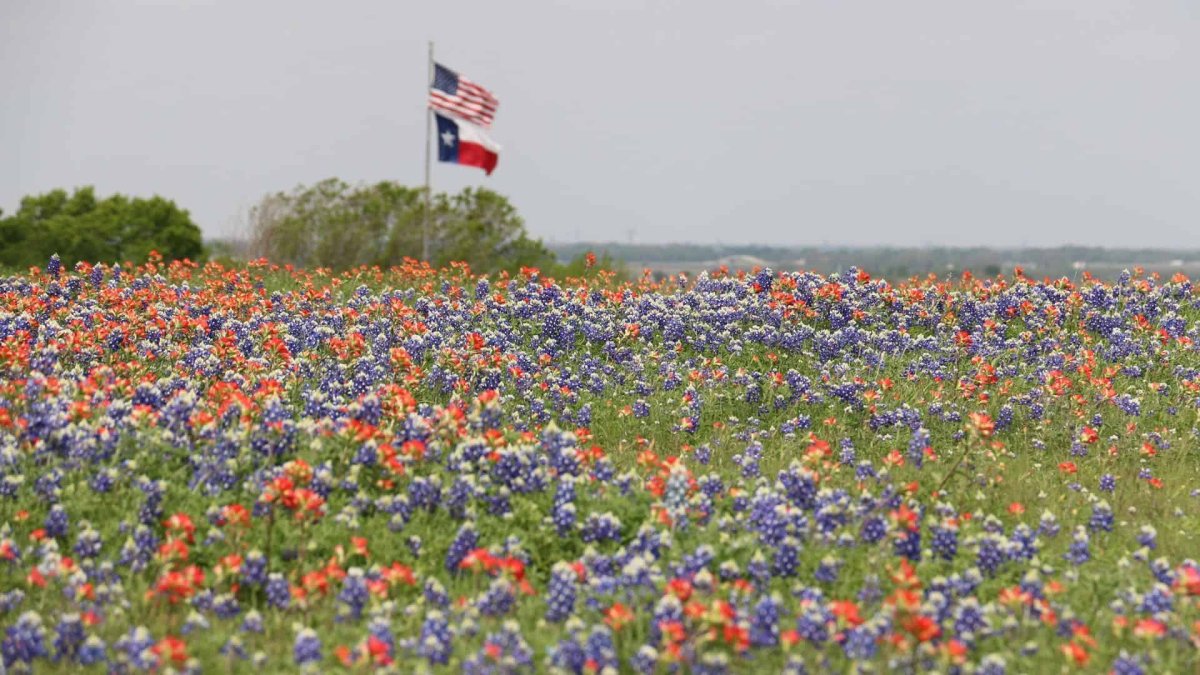
Bluebonnets hold a special place in the hearts of Texans as the state flower. These beautiful wildflowers are not only a sight to behold but also have significant cultural and historical value. The topic of bluebonnets in Texas has been thoroughly examined in this piece, covering a range of topics such as their growth cycle and flowering process, ideal locations to spot them, variations in appearance and meanings, as well as recommendations for cultivating and admiring them. We hope that this information has inspired you to explore the Hill Country and other parts of Texas to experience the magic of bluebonnets in person. By appreciating and preserving these natural treasures, we can honor our state's beauty and heritage for generations to come.